Few developments have unsettled the cultural landscape as profoundly as AI art, which is filling museum atriums, appearing at major fairs, and commanding serious market attention. But can a machine meaningfully extend human imagination? Or does the presence of algorithms dilute the very idea of artistic genius? Below, two influential voices from opposite sides of the debate consider whether AI represents the future of art, or simply its newest medium.
For AI art
Refik Anadol, AI artist and co-founder of Dataland

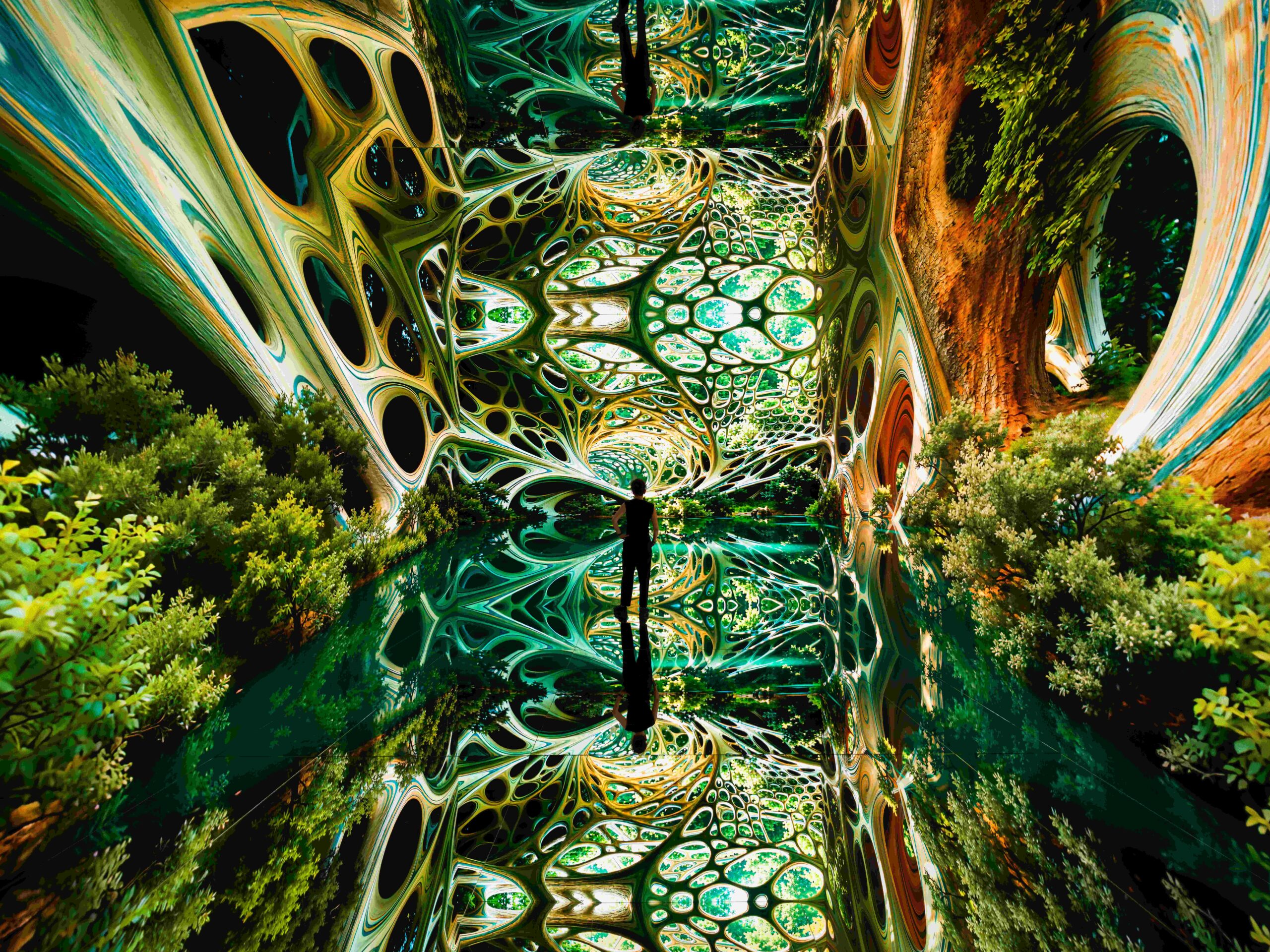
AI is exceptionally different from any previous technologies. The closest comparison is with the Renaissance, when the movable-type printing press was introduced. I believe we are in a similarly important time, and that AI will transform this new era. Art always reflects what is happening in society, and I think that AI is the most important element within any art form at the moment.
I don’t use the same commercial AI tools available to everybody. My studio works with ethical data sources – archives that have permitted our access – and we train our models from scratch. This can take a long time, but it is like creating a ‘thinking brush;’ the outcome will be unlike that produced by other commercial tools. If you consider this framing, an AI artist is truly an artist.
The art market also struggles with anything new; it can take decades to perceive, digest, and accept something. But the art market also looks for impact, and the impact of our work – drawing huge audiences to MoMA or the Guggenheim, Bilbao – is beyond question. It is repeatable, recognizable, and quantifiable.
Now we are opening Dataland in Los Angeles, the world’s first Museum of AI Arts. It’s the future of art making, and the future of imagination. I truly believe that AI will allow us to create new realities – realities that are indistinguishable from what is natural. This has never happened before, right? I call this medium ‘generative reality.’ And generative reality will be a new form of perception. I think that’s the next major ‘journey’ for humanity, and it’s happening in front of us. We are so lucky to be presented with all these possibilities. At other museums you can see paintings and sculpture from the past. But don’t you want to see what’s coming, in the future?
Refik Anadol is the director of Refik Anadol Studio in Los Angeles, and teaches at UCLA’s Department of Design Media Arts
Against AI art
Marion Maneker, art critic and commentator

The issue with AI in the artworld, or the art market for that matter, is simple: It’s how you use it, not what it is. There’s been iterative and generative art for a long time, some good, some bad. I visited the Robert Rauschenberg centenary retrospectives last year and looked at the screenprints. Rauschenberg was creating these at the same time as Warhol was making his most famous Marilyn prints – same technology, but the works couldn’t be more different. You’d never confuse the two.
At the end of last year, I also saw Beeple’s Regular Animals installation at Art Basel Miami Beach. This was a series of robotic dogs fitted with heads resembling tech moguls, as well as Picasso and Warhol, which walked around, took photographs, and ‘pooped out’ AI-interpreted versions of those photos, as certificates of authenticity. It was unbelievably creepy. There’s that old saw in the art world: the work that repels you at first is the best, because it’s creating a reaction.
Or consider David Salle. He’s a hugely well-respected painter who has incorporated found images into his work since the beginning. Recently, he’s been using generative AI to compose his paintings. That’s relatively groundbreaking, but it doesn’t present a huge shift. There are lots of painters who do stuff on the computer, then paint.
I think Refik Anadol is one of the best artists using AI at the moment, but I’m not sure AI has a huge amount to offer the art world – not until someone figures out a way to create something other people recognize as truly great art. So, I don’t really think there’s any point in singling out art made with AI or making a big fuss about it. That’s like defining art by the type of brush you use.
Marion Maneker is a leading art-world and art-market commentator and author of the ‘Wall Power’ newsletter from Puck
Leave a Reply